
- Home
- #ReStart

The World Ski Awards #ReStart initiative aims to galvanise the recovery efforts of the collective global ski tourism industry.
#ReStart is an on-going resource of information, practical advice, marketing and PR support, and a platform to aid the recovery of your business by bringing the industry together. And by working together, by pooling our collective knowledge and strength, there is the very real potential to emerge from the crisis better than we were before.
#ReStart offers you a complimentary platform to showcase your organisation, both to the ski industry and the ski consumer, in these challenging times:
- Our team can build, free of change, your own promotional platform page within worldskiawards.com to showcase your business to our worldwide audience of ski tourism consumers and industry influencers
- Free 100-150 word marketing overview promoting your qualities
- Free gallery of 5 showcase photos (jpg format – minimum height of 400px)
- If you have a YouTube promo video, we can stream this free from your promo page
- Free URL unique to your promo page for your own marketing use
- We can publish one press feature to showcase your business
- Free posting to World Ski Awards social media channels
- We can include one promotional feature within our monthly global newsletter
- Should you wish to receive a suite of bespoke shields, logos and Vote For Us banners in support of your own promo campaign (as found in the traditional WSA Finalist Package), our external design agency have agreed to produce these at cost.
Contact ben.roberts@worldskiawards.com
If you have your own #ReStart plan in place, do let us know and our team will work with you to channel this into a published #ReStart feature.
If you would like one of our journalists to interview you or the leader of your organisation about your #ReStart, please get in touch. It is important to share our #ReStart strategies.
Do share with us any positive news stories that you may have that can offer hope or inspire encouragement to others.
Or if you can send any day-to day practical guidance and recovery advice that can aid the collective effort, do let #ReStart know.
Contact anton@worldskiawards.com

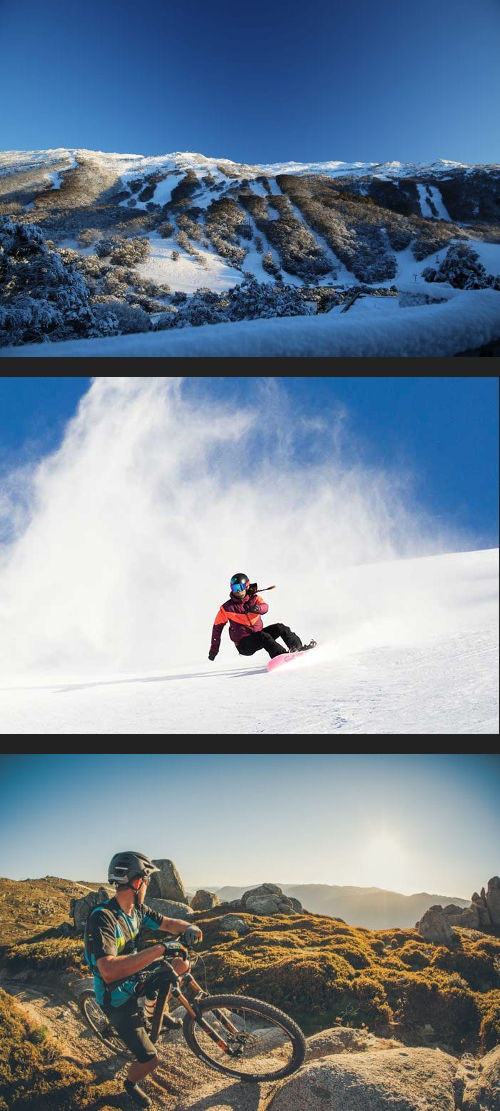
Australia Resort
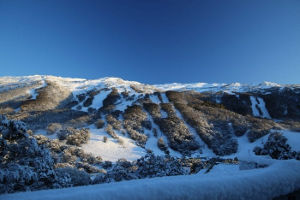
Thredbo is Australia’s best ski resort and year-round mountain destination, open 365 days a year. It was one of the first resorts in the world to reopen for skiing in the aftermath of Covid-19. World Ski Awards talks to Thredbo’s Marketing Manager, Caroline Brauer, about how the resort Down Under is coping.
WSA: As a southern hemisphere resort recently opened for its ski season, Thredbo offers an excellent insight into how ski resorts in Europe and North America will operate when they reopen for winter. What is the current status in Thredbo?
CB: Thredbo opened on 22 June 2020 under a revised operating model that was developed under the advice of the State Health Department and the State and Federal Governments. The model includes social distancing, hygiene and sanitisation measures to give our guests, staff and the community peace of mind that we are doing all we can to provide a COVID safe environment.
WSA: Describe life in the resort during lockdown?
CB: Thredbo’s summer operations including the Thredbo Mountain Bike Park needed to close early during the season and when the Government initiated the travel ban, the Thredbo Village was inhabited by residents only. For local businesses this was a significant impact after having the resort already forced to shut down for 14 days due to the bushfires back in January during the peak summer trade period.
As the winter season came closer and closer as Australia went into lock-down, the resort faced significant operational challenges. A variety of models were developed based on a range of scenarios.
WSA: What changes this winter can visitors to Thredbo expect?
CB: Thredbo is rolling out a revised operating model including a range of social distancing, hygiene and sanitisation measures. We’re limiting the number of skiers and snowboarders on the hill each day, we have lift line spacing measures and limits on how many people can ride lifts together. A full rundown of measure can be viewed on the Thredbo website.
WSA: As one of the first ski resorts in the world to open after lockdown, what advice from your experiences would you offer to other resorts?
CB: Thredbo Resort has gone to great lengths to deliver a robust COVID Safe Operating Plan, to give our guests, our staff and our community the peace of mind they need in this climate. This allowed for a smooth and successful opening of the snow season this week. Being the first resort to re-open in Australia, we had significant attention from regulatory authorities and media. The authorities and the media both reported positively that Thredbo had gone above and beyond in providing an environment where social distancing, hygiene and sanitisation were delivered. We recommend taking this proactive approach and being well prepared to manage the various COVID requirements.
WSA: What do you think the ski tourism industry will look like after Coronavirus?
CB: The ski tourism industry is adept at dealing with change – we are a strong, adaptable and resilient community and we believe this puts us in a strong position to quickly bounce back from this. The prediction that domestic tourism, in particular luxury, as well as adventure travel will perform strongly over the next 12 months puts a year-round resort like Thredbo in a solid position.
WSA: What trends in ski tourism do you see emerging as a result of the crisis?
CB: Due to the Australian resorts limiting capacity as a social distancing measure, interest in backcountry touring has been high and this is a trend we see could emerge strongly as a result of the crisis. Thredbo offers a backcountry pass which has seen solid sell-through, and reports of backcountry retailers selling through products like split boards and touring skis further supports this.
WSA: Why will collaboration across the ski industry be the key to navigating the post-virus landscape?
CB: Thredbo worked collaboratively with all snow industry partners including competitor Australian snow resorts to develop our COVID Safe Operating Plan for winter 2020. This has been a unique, yet beneficial experience that has strengthened the relationships between the resorts when it comes to issues that affect the industry as a whole.
WSA: Ski businesses across the world will have to work harder to attract guests as the market recovers. What methods are you using to attract visitors back?
CB: Demand has continued to be healthy for Thredbo Resort. When our Online Shop opened for lift pass sales, we have three times the demand we had expected. The timing of our lift pass release aligned with the easing of travel restrictions after months of lockdown.
Given the demand currently outweighs supply of lift passes (based on the restricted capacity of our COVID Safe Operating Plan), we have cut down on any demand-generating marketing activity. Instead, being such an uncertain climate, we are focussing on a customer-centric strategy and are committed to providing consistent, clear and transparent communication to provide all our guests with the reassurance they require.
WSA: Have there been any changes in your own outlook that you see as a positive reaction to the crisis?
CB: The crisis has been a welcome reminder for most to slow down, re-evaluate their priorities and identify what is important to them. I feel that as restrictions continue to ease, this will convert to positive results for the adventure tourism industry as people opt for holidays with wide open spaces and a shift back to a renewed appreciation for our environment.
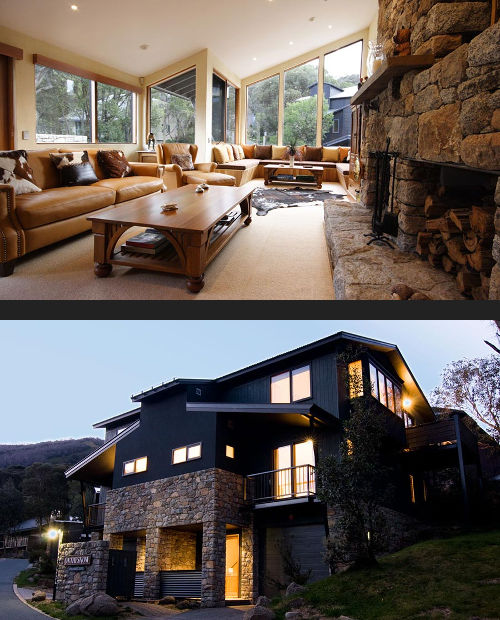
Australia Accommodation Provider
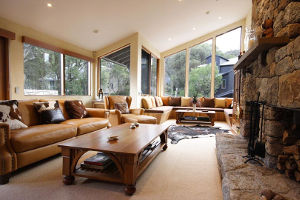
Gregg Quinn is the General Manager of Ski In Ski Out Chalets Thredbo, which manages slopeside luxury accommodations in Thredbo, in the heart of Australia’s Snowy Mountains.
WSA: As a southern hemisphere resort recently opened for its ski season, Thredbo, Australia offers an excellent insight into how ski resorts in Europe and North America will operate when they reopen for winter. What is the current status in Thredbo?
GQ: Thredbo opened on 22 June 2020 under a revised operating model that was developed under the advice of the State Health Department and the State and Federal Governments. The model includes social distancing, hygiene and sanitisation measures to give our guests, staff and the community peace of mind that we are doing all we can to provide a COVID safe environment.
WSA: Describe life in the resort during lockdown?
GQ: Life was interesting. Our schools were in lockdown and our children moved onto virtual schooling. The local schools did an amazing job of teaching in a new way. The schools are small and nimble and the children adapted.
The local ski community were the same. We are all used to and are all skilful at making changes to operate on a daily basis.
WSA: What changes can we expect now Ski In Ski Out Chalets Thredbo has opened? And what changes in the resort?
GQ: Ski in Ski Out Chalets are very lucky. We offer self-contained on snow accommodation without any common areas, so the changes for the guests are minimal. We have changed our check in procedures and our cleaning processes, but the guest experience is still what we are striving for. The feedback so far has been excellent.
We also developed a guest APP as we needed a new way to deliver information to guests whom are in house. This included their personalised compendium for operating the television etc and the ability to order takeaway meals and pay for these online.
Our virtual butler Jean-Pierre is here to assist.
WSA: What do you think the ski tourism industry will look like after Coronavirus?
GQ: I think that at this stage is a wait and see. Things are changing on a daily basis. The industry will survive and be stronger and we all need to continue to stick together
WSA: What trends in ski tourism do you see emerging as a result of the crisis?
GQ: I think the trends we see for this year will only be temporary.
WSA: As one of the first chalets to open after lockdown, what advice from your experiences would you offer to other chalets? And other ski resorts?
GQ: The changed requirements for purchasing lift tickets has been a challenge for the resorts and the industry. I think you need to make sure your IT systems can handle the increased loads of activity and find alternative solutions to satisfy guests. I also feel more communication is critical.
WSA: Ski businesses across the world will have to work harder to attract guests as the market recovers. What methods are you using to attract visitors back?
GQ: Interestingly, the appetite for snow is huge. We will have a record year this winter with guests visiting our chalets even though the resort can only operate at a 50% capacity. There is also a huge local appetite to ‘just get out’. With border restrictions and stadium closures to the general public, the snow is an incredible attraction.
WSA: Have there been any changes in your own outlook that you see as a positive reaction to the crisis?
GQ: There was a great enjoyment in slowing down for a few months. Our family connected more as the children were also working from home but also doing home-based activities. Always onward and upwards.
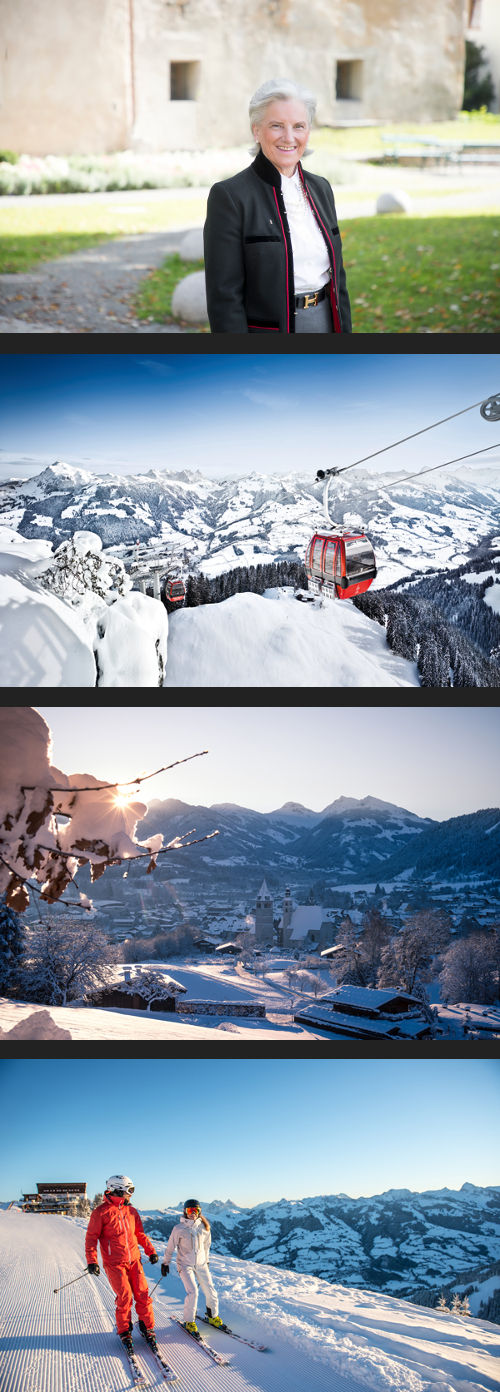
Austria Resort
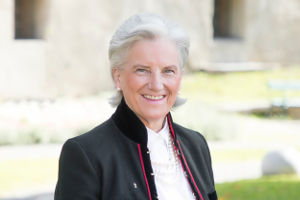
The home of the legendary Hahnenkamm race and the host of World Ski Awards, Kitzbühel represents the heart of Austrian skiing. World Ski Awards talks to Signe Reisch, President of Kitzbühel Tourisme.
WSA: What is the current status of Kitzbühel’s operations?
SR: Gladly we reopened most hotels on May 29th, the rest will throughout July. Kitzbühel itself, on health grounds, has hardly been hit by the virus and is now completely COVID-19 free.
WSA: How was life in town during lockdown?
SR: Quiet! Compared to all the hustle, it was weird at first. Anyhow, we enjoyed the peaceful time with family and friends and took care of all the things that there usually never was time for.
WSA: What measures have you taken to mitigate the impact of Covid-19?
SR: We weren’t really in control of any measures, as it was all done by the government. Closing all businesses on March 15th, total lockdown of the entire state of Tyrol for several weeks and any other measures that came with it.
WSA: What changes can we expect in the way Kitzbühel operates and adapts this summer season? And for the winter ski season?
SR: Honest answer, not too many changes. We stay on our course. Standards regarding hygiene are already very high, as well as all other standards you come across regarding the hospitality industry.
WSA: How do you think the ski tourism industry will look after Coronavirus compared to before?
SR: Since skiing is an open-air sport, the infection chance is negligible. For resorts that have always operated on high quality standards, there won’t be much change.
WSA: What trends in ski tourism do you see emerging as a result of Covid-19?
SR: I don’t think that a trend will emerge from this crisis. Maybe outdoor sport will become more popular. People will certainly be more aware of where they book and of the standards of the places they look into.
WSA: Why will collaboration across the ski industry be the key to navigating the post-crisis landscape?
SR: Collaboration has always been important. And now more than ever it is important to work together for the exchange of ideas, innovations and use-cases, so not everyone has to make the same mistakes. Collaborations, if done constructively, can only be a win-win.
WSA: As a world leader in alpine tourism, what advice from your experiences would you offer to other ski resorts?
SR: There is no ground-breaking advice that I can give, besides, now more than ever quality putting guests above all else to ensure the best possible experience.
WSA: Ski resorts across the world will have to work harder to attract guests as the market recovers. What methods are you using to attract visitors back to Kitzbühel?
SR: We are lucky to have a great foundation of regulars. Nevertheless, we are also working on new offers and adapting strategies to attract new guests of all sorts.
WSA: Have there been any changes in your own outlook that you see as a positive reaction to the crisis?
SR: Life in tourism can be, or mostly is, very stressful. Through the crisis I learned to now sometimes take a step back, take a deep breath and tackle whatever as calm as I can.
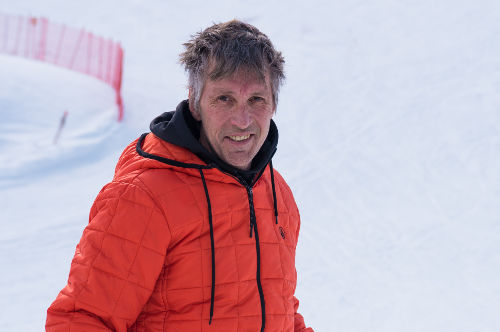
Russia Resort
Rosa Khutor is Russia’s largest best ski resort, and host of the alpine skiing events of 2014 Winter Olympics. World Ski Awards talks to Yury Kolobov, First Deputy General Director & CEO of Rosa Khutor.
WSA: What is the current status of Rosa Khutor’s operations?
YK: Now the company is launching its tourist infrastructure step-by-step. The cableways to Rosa Peak (2,320m) and to the Mountain Olympic Village can be used by visitors. Cafes and restaurants, and the waterfront promenade in Rosa Valley are open. Hotel reservations started on 8 June, and 14 hotels in the resort have already been accepting the guests since 1 July.
Tourists can hike and climb to more than 2,000m above sea level. One of the most impressive attractions in the region – Mendelikha Falls Park – has also been opened. It is located on the southern slope of the Aibga Mountain Ridge, at an altitude of 1,470m. There are special trails, including to the bottom of waterfalls, viewing decks with railing and views for taking pictures. The route to all seven waterfalls is 4km long and takes about 4.5 hours. The Zolotoy is among the highest waterfalls in Sochi. We have opened the Centre for Outdoor Activities, equipment rental, information centre and parking. There are popular attractions as summer bobsledding (Rodelbahn), high-mountain swing and much more.
WSA: Describe how life was in the resort during lockdown?
YK: During the quarantine all tourist infrastructure facilities were closed. However, we had plenty to do. For example, we carried out the service maintenance of cableways. All this was not easy: masks, disinfection, but we managed to succeed. In addition, of course, we were developing a new concept of rest in the resort’s summer season; we have a new strategy, plans and understanding how to implement them. So we used the period of forced downtime to the maximum benefit.
WSA: What measures have you taken to mitigate the impact of Covid-19?
YK: We have done everything necessary for the safety of our guests. All personnel undergo weekly laboratory clinical testing in accordance with the requirements of Rospotrebnadzor and are provided everyone with necessary personal protective equipment.
The resort has created a contactless environment: electronic plastic cards are used at check-in and check-out at the resort hotels; cashless payment means are used; safe door handles are installed in guest rooms and public areas; sneeze guards are installed at reception desks and other public areas. Hotel entrances, both for guests and personnel, have disinfection barriers in place with fine-disperse spraying of the safe disinfectant.
Antiseptics are available in all major public areas and in the rooms, and regular wet cleaning with disinfectants is ensured. Rooms are equipped with removable mattress covers and air conditioning filters.
The buffet format has been preserved in the hotel restaurants, taking into account social distancing and safe location of service stations with ready meals. Breakfast opening hours have been extended to avoid crowding. At the same time, hotel restaurants will continue working on A La Carte basis for lunch and dinner, taking into account all necessary requirements.
WSA: What changes can we expect in the way Rosa Khutor operates and adapts this summer season, and next winter?
YK: We conducted a special survey of the resort audience, which confirmed that people, after a long period of self-isolation, literally need a reset. Therefore, we expect that 80-90% of the resort’s room stock will be occupied by the end of July.
Many are ready to come to rest in the mountains, as it is the best place to recharge, restart, focus on physical activity and enjoy the fresh air. That’s why this year we are focusing on healthy and active rest, hiking, trekking, entertainment and activity for the whole family, as well as introducing new special packages tailored to the needs of the audience. We have prepared new mountain hiking and cycling routes. Their total length has been significantly increased. Guests will once again get lots of breathtaking emotions while strolling over the suspension bridges, swinging on the high mountain swing and riding the Rodelbahn.
In October, we will welcome guests for the traditional Rosa Run 2020 festival, which is very popular among mountain runners. The programme includes not only races, but also a variety of activities: “vertical kilometre”, team quest, mountain trail, competitions for fans, lecture course, battles, workshops, sports goods fair and much more.
I would like to speak separately about the highlight of the last winter season: RosaQuest. Problem-solving in this quest mixed it up for our guests. The territory of the resort has become a large playground: from December 21 to March 9 the quest was held every weekend, from March 10 it moved to a daily format, and from 2 to 12 of April during the self-isolation it transformed into an online project. During the season, more than 10,000 players participated in the quest, which is not surprising, because in one project we managed to combine outdoor and digital.
Players were offered more than 250 different and unique tasks. For those who had rested in the mountain resort for the first time, the quest was a great opportunity to explore Rosa Khutor, and for those who were well oriented on the terrain – to look at familiar routes from a different perspective and add drive to the skiing.
WSA: How do you think the ski tourism industry will look after Coronavirus compared to before?
YK: We are all waiting for global changes that will affect both consumers and service providers. Service providers will provide new tour products to address changes in consumer interests.
WSA: What trends in ski tourism do you see emerging as a result of Covid-19?
YK: A virtual space will be created where tourist destinations and ski regions can be seen. Proposals in this digital space will be formed taking into account “360 degree customer view”.
WSA: Why will collaboration across the ski industry be the key to navigating the post-crisis landscape?
YK: International cooperation is a necessity of the 21st century. Partnership in different sectors has been developed all over the world. Tourism is no exception, especially with regard to the losses caused by the current crisis. In order to attract guests to the resort, it is necessary to offer them the highest quality and most attractive tourist product. To form such an offer, it is necessary to have experience of the best practices, for example, based on the achievements of partners. Also, the price offer of a resort is always more advantageous when a guest of one resort receives discounts and various bonuses when visiting a partner resort. One outstanding example is the development of international tourism at the Rosa Khutor Resort in cooperation with the best partner resorts in Kitzbühel, Austria and Shymbulak, Kazakhstan.
WSA: As one of the world’s leading ski resorts, what advice from your experiences would you offer to other resorts?
YK: Rosa Khutor has rich experience in creating price offers for tourists of different categories, in promotion of tour products. The resort is an example of an effective Olympic legacy. For over a decade, we have accumulated experience and are ready to share it. Only by joining our efforts will we be able to cope with the consequences of the global crisis.
Rosa Khutor was the first resort to join the Russian Union of Travel Industry. The largest industry association includes more than 3,000 representatives of the Russian travel industry, including tour operators, travel agencies, hotels, health resorts, transport, insurance, consulting, IT-companies and other organizations operating in tourism industry.
WSA: Ski resorts across the world will have to work harder to attract guests as the market recovers. What methods are you using to attract visitors back to Rosa Khutor?
YK: Perhaps we will focus on further development of the service. We are keen to see our resort as a hospitable place centered on the interests of all our guests. We understand that people have come to us to have rest and it is important that we help them in this. As they say about waiters, the best waiter is the one who is not visible, but you have everything. Figuratively speaking, that is what we should do: our guests don’t notice the presence of our services and feel the harmony with nature: alone, but in absolutely comfortable conditions.
In addition, we continue developing infrastructure that will also improve the comfort of our guests. In the coming winter season we are planning to open a new gondola of the new Doppelmayr D-Line model range with cabins for 10 passengers and a maximum capacity of 2,400 people per hour. This will make skiing in the resort even more comfortable.
To sum up, I think we will offer our guests a unique combination: pristine mountain beauties, fluffy light snow, which can not be found anywhere else, good tracks, diverse après-ski, excellent service and, as a result, high-quality and safe rest.
WSA: Have there been any changes in your own outlook that you see as a positive reaction to the crisis?
YK: Once again, I made sure that you should never rest on your laurels even if you are already a recognized leader. You must constantly improve yourself, you must move forward. And you should take overcoming difficulties and complex circumstances as opportunities for self-development.
United Kingdom Tour Operator
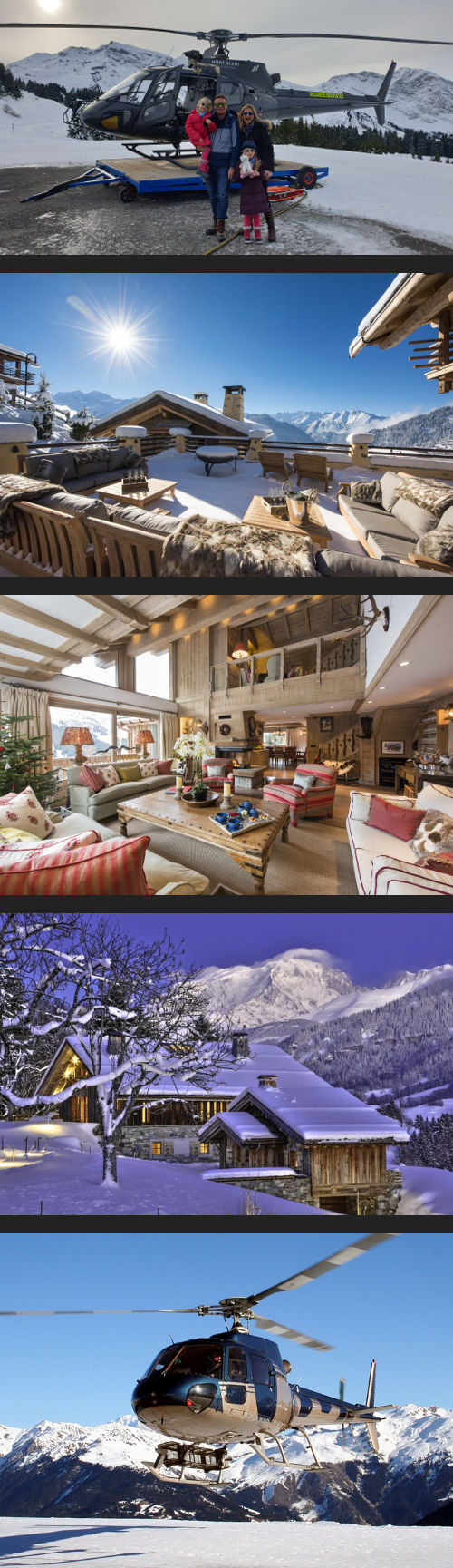
Andy Castle is the Founder and Director of Ski In Luxury, the UK-based ski agency that specialises in sourcing luxury chalets in France, Switzerland, Austria and Italy.
WSA: What is the current status of operations at Ski In Luxury?
AC: Things are definitely looking a lot more positive in all aspects of our business and industry. We have seen a big surge in enquiries and bookings now that lockdown restrictions are being eased and therefore, over the past four weeks, we have welcomed back from furlough a couple more members of the sales team and also our social media and digital marketing executive.
WSA: How was life under lockdown for you and the team?
AC: We were well prepared for lockdown. Fran could foresee there would be some issues with office working and took measures early on to ensure that the team were ready for the inevitable news that we would need to stay at home and isolate.
Personally, for us it brought a number of challenges at first. My wife, Fran, and I have two young girls of five and six years. It was a struggle to find the time to sit together and work out a plan of action when we had the responsibility of home schooling but we pushed ourselves to find the time. There were some very important decisions that we had to make to ensure the continued smooth operation of the company.
At first we had the full team working remotely and everyone adapted well to working from home. Great communication and efforts to organise and delegate the day-to-day operational tasks of the business and various role duties. However, when the government introduced the Coronavirus Job Retention Scheme, half of the team went on furlough and we kept on a core sales team to handle any enquiries and deal with holiday cancellations, and the IT team to continue our plans on further development of our websites and back office systems.
We kept the furloughed team in the loop with ‘The Weekly Furloughgraph’ newsletter which included updates on our IT developments, sales and accounts updates. We threw in some laughs too with weekly jokes and achievements. We offered the opportunity for the team to take part in training challenges and sessions. They have been generating fun and interactive training sessions across Zoom or by email with ski resort and product quizzes and crosswords.
WSA: How do you think the ski tourism industry will look after Coronavirus?
AC: It’s difficult to say. There are a number of enquiries and bookings coming in for the summer months in the Alps, as well as next ski season with many people seeking escapism and a bit of tranquillity in their lives. Things are definitely looking on the up. However, unless there is a significant increase in bookings for some operators, there may well be some who consider postponing their operation by a year as there would be little point in running the business at a loss for a year, putting themselves at more financial risk than they have now. There will be others that are facing a financial struggle in the coming months.
Skiers are loyal to the mountains. They will put their heart and soul into generating the money to take their annual ski holiday. They will be crying out to breathe in the fresh mountain air. I am confident that the ski holiday industry will recover, and it will do so quickly. Operators are doing a great job by putting in place very favourable terms to encourage people to book and to provide additional security and peace of mind should there be any second wave of the epidemic.
We have seen an increase in demand for longer term rentals of three weeks or more, both in the summer and winter, including seasonal rental enquiries. We will possibly see an increase for apartment and chalet rentals from those skiers that usually book a hotel in order to ensure adequate social distancing.
Ski resorts will change the way in which they operate. They will have to in order to ensure social distancing regulations are met and to ensure people feel comfortable and safe in the environment. It’s going to be strange, that’s undeniable. However, the most important thing is that we will still have the mountains available to play on.
WSA: With many people curtailing their summer holidays, do you think this will lead to a surge in bookings for winter holidays, and ski in particular?
AC: Yes, I believe it will. People are desperate for holidays having been in lockdown for so long. If they are unable to travel to their usual beach or summer destination due to travel restrictions, there is definitely a great chance that people will consider trying to ski. There will be those that have sat throughout lockdown, making lists of things they should have done or want to do in their lives. Skiing will undoubtedly be on many bucket lists.
WSA: You are adding a number of new properties to your portfolio for next winter. What is the strategy behind this?
AC: We always look to maintain our position as the leading luxury chalet rental agency, and we do this by ensuring that our websites are kept up to date with the latest information and the addition of the latest rental properties to the ski industry that meet or exceed our criteria for inclusion.
In order to do this, we are constantly updating and improving our portfolio of properties. Each and every season there are a significant number of chalets that change operator hands, and new properties that come onto the rental market, and indeed, properties that are no longer available. This coming season there are likely to be a number of chalet owners that will look to keep their property for personal use throughout the season due to potential risks of contraction.
WSA: What advice from your own experiences would you offer to other ski operators?
AC: Don’t panic. I spent the first few weeks of lockdown worrying about the future of the industry and how our business would be affected. At the end of the day, it is out of our hands and worrying about it will only reduce your ability to rationalise and make sensible, educated business decisions.
Speak and share experiences with those within the ski industry – even your competitors. We are all in this together and can help and work alongside of one another to ensure that we all come out the other end and that the industry remains strong.
WSA: Have there been any changes in your own outlook that you see as a positive reaction to the crisis?
AC: The easiest thing to forget when you are constantly involved in work, is that getting a work/life balance is key to both happiness and mental health. We were forced to take a step back in the business, and to focus on schooling our girls and keeping them entertained, and with a healthy mind and soul during lockdown. It took some time to relax into it but now it is second nature and Fran and I have very much enjoyed spending our time at home.
Our girls are back at school now and it has freed us up to get stuck back into work but at the same time, we are taking this opportunity to spend more time enjoying each other’s company, doing things that we used to love doing together before kids and the demands of the business took a solid grip on us, like bike rides and walks down the beach. We are stronger in our minds, and we are healthier and fitter than we have been in a number of years. We are ready to take on whatever challenges are thrown our way both from a personal and commercial perspective… although ideally we would definitely like to see the back of Covid-19!
Canada Heli-skiing
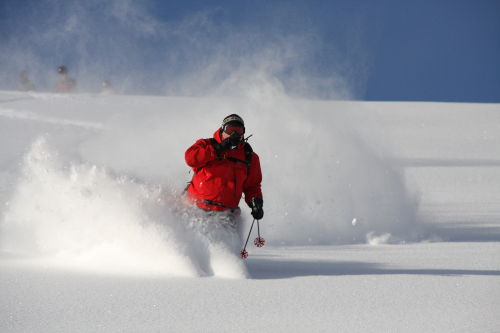
Located near Terrace in the remote northwest corner of British Columbia, Canada, Northern Escape Heli Skiing offers small groups heli-skiing in the spectacular Skeena mountains. World Ski Awards puts the questions to General Manager, John Forrest.
WSA: Heli-skiing offers the ultimate in get-away-from-it experiences, thereby sidestepping the social distancing challenges faced by large ski resorts and hotels. Nevertheless what will you need to adapt your business so that you can operate next winter season?
JF: While it is true that smaller boutique type resorts such as ourselves offer a much more exclusive experience with far fewer people to interact with, social distancing will still be a risk management principal that we employ. It Canada and in BC it is expected that Social Distancing will be with us for some time and likely through the 2021 Ski Season.
Proper personal hygiene will be stressed with our guests and staff, as well as new and heightened cleaning and sanitizing procedures will be implemented. Additionally, when closer than 2 meters, such as when in a Helicopter or Snowcat, our guests and staff will be required to wear a mask which in this case could be as simple as a ski buff.
WSA: Covid-19 restrictions were implemented in Canada a month before the end of your season. How did things pan out?
JF: For the safety of our guests and staff we ended our season March 16th, 4 weeks early due to the pandemic. It was a difficult decision, but very obviously it was the right decision at the right time. For the most part our guests were very understanding and the majority of them have rebooked for our 2021 season.
WSA: With so many factors beyond your control – from airlines to changing government legislation – what’s your approach to navigating the storm?
JF: There are still 6 months to go before our season starts and with the current speed of change we have pushed the pause button until things become more clear. We have delayed our Summer Lodge Grand Opening till Summer 2021and will look forward to welcoming guests to an exclusive mountain experience at that time. Our winter 2021 season is being retooled to meet the newest Covid-19 precautions and is planned to continue as scheduled.
WSA: How do you think the ski tourism industry will look after Coronavirus?
JF: In the near-term future, resort skiing will likely take a hit and much change will be required to operate in a safe manner. I believe we will see demand increase for smaller boutique operations where families and “Travel Bubbles” can book the entire lodge.
WSA: What trends in the ski tourism sector do you see emerging as a result of Covid-19?
JF: We are seeing an uptake in bookings for smaller boutique experiences which can more easily meet the social distancing requirements naturally. Exclusive Lodge bookings and small groups is what we offer and these naturally meet much of the prescribed Covid-19 precautions.
WSA: Why do you think collaboration across the ski industry is the key to tackling the post-crisis landscape?
JF: We are all in this together. As an industry we want to demonstrate that is safe and still fun to go skiing.
WSA: What advice from your own experiences would you offer to other heli-ski operators?
JF: Be prepared for the unexpected.
WSA: Have there been any changes in your own outlook that you see as a positive reaction to the crisis?
JF: Once again I have been forced to rethink and retool our programs. In doing so I believe we will offer a better product and become more resilient.
Sovakia Hotel
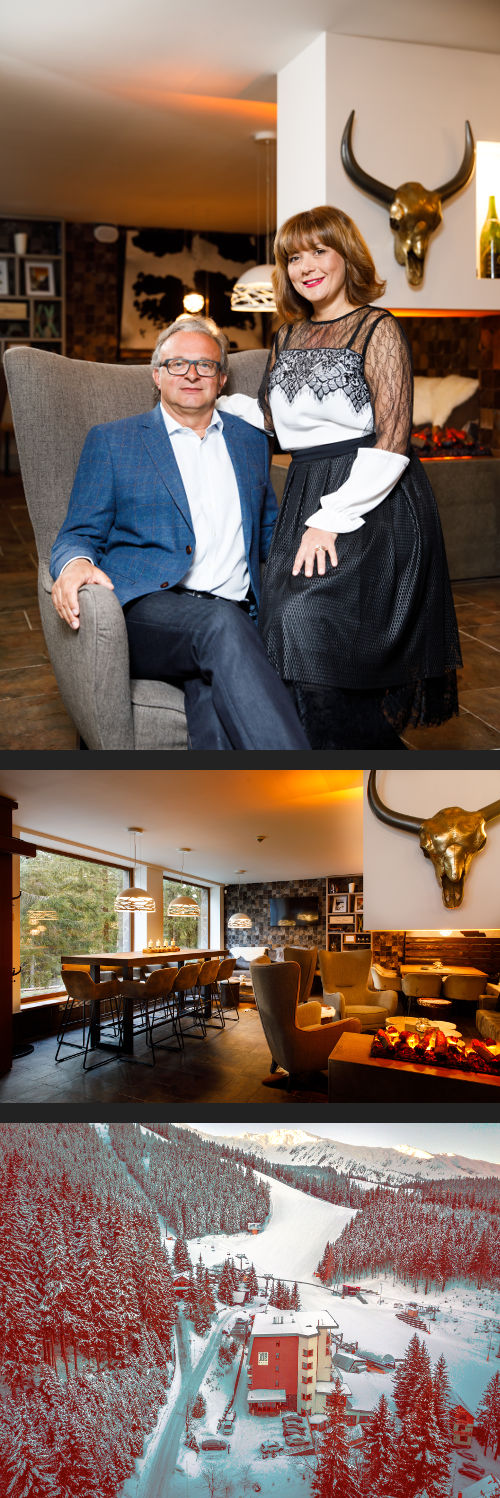
Hotel FIS Jasná**** is located in the Slovakia’s Low Tatras Mountains, and offers upscale ski-in/ski-out accommodation adjacent to the slopes of Jasná. Manager Lucia Švecová discusses her experiences following the outbreak of Covid-19.
WSA: What is the current status of operations at Hotel FIS Jasná****?
LS: We are currently reopening the hotel. Both the hotel and ski resort were closed from 13th March. The reservations are coming for the summer, as well as for a winter season. But the restart is very slow.
WSA: Covid-19 restrictions were implemented across Europe towards the end of your winter season. How did this affect your hotel?
LS: The ski resort closed on 13th March. All our reservations were cancelled and we had to close hotel as well. Clients could not come even for the last weekend from 13th March because the borders were closed and there was no reason to come without the ski lifts being in operation.
WSA: Describe life in Jasná during lockdown?
LS: Life was very quiet and peaceful. We had a lot of snow and very nice sunny weather. It was a big pity because the end of the season and Easter holidays could have been really fantastic.
WSA: How are you adapting Hotel FIS Jasná**** so that you operate this summer season? And for the winter ski season?
LS: Our hotel can open now with only minor restrictions. We are paying a lot of attention to ensure our guests feel safe and secure in our hotel. We have implemented many new procedures regarding social distancing and providing more disinfection of all spaces and hotel rooms. For summer and winter season we have prepared packages for stays and we have changed our cancellation policy for summer season to no strict policy: 7 days prior to arrival without cancellation costs, and for less than 7 days the stay will be postponed.
WSA: With so many factors beyond your control – from airlines to changing government legislation – what’s your approach to navigating the storm?
LS: It is fairly difficult to navigate the Slovak laws and legislation especially now that everyday some new regulations are implemented. At times, it may be frustrating that government imposes regulations without thinking about the consequences to businesses and operations and without the advice from the people working in hotel and gastronomy industry.
WSA: How do you think the ski tourism industry will look after Coronavirus?
LS: I hope we will have a nice winter season, but I think it will not be the same as previous years, because people will be more cautious about being in big groups and with many people close together. As a boutique hotel with few guest rooms, I hope we will attract our customers.
WSA: What trends in the ski tourism sector do you see emerging as a result of Covid-19?
LS: I think there will be lot of changes starting with online check in, contactless opening of the doors, changing of the room design. Regarding skiing as a sport, I do not see any reasons for change. Skiing has been here with us for many years and it will stay many more years. Ski tourism, as all other tourist segments, has received a hit. We have never been so vulnerable as we have been now. The health and safety standards will be under the constant microscope, but it’s all for the best. We will adapt to the new trends whatever they may be and we will travel and ski again! I trust that ski tourism will be greater than ever and we will get through there turbulent times and meet again at World Ski Awards in Kitzbühel.
WSA: Why do you think collaboration across the ski industry is the key to tackling the post-crisis landscape?
LS: We have to stand together united in order to stay strong. I believe that we cannot tackle the challenges that are waiting for us without help from each other. It is crucial to share knowledge, information and ideas. I would refrain from the words crisis: I think crisis can be avoided by being responsible. If each one of us will support local hospitality and gastronomy, all can be avoided. It is easy – instead of having a coffee at home, support your local café by buying the coffee there. Instead of cooking everyday, go once a week for a dinner. Take your loved ones for a romantic stay in a hotel even if it is in the same city as your house, be pampered and support local businesses.
WSA: What advice from your own experiences would you offer to other hotels?
LS: Never give up.
WSA: Have there been any changes in your own outlook that you see as a positive reaction to the crisis?
LS: For me it was a time of self-reflection, time to calm a bit, to slow. But now we have to work hard to restart our business.
United Kingdom Tour Operator
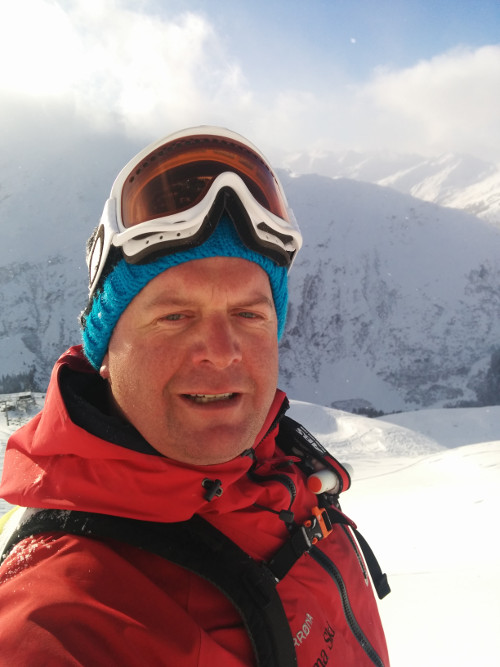
Andy Butterworth is a Founder Partner and Director of UK-based Kaluma Travel, the operator of luxury chalets in St. Anton and Courchevel 1850. He has lived in Austria for over 15 years and splits the year between the Alps and the office. He shares his insights on ways forward for the ski industry in the wake of Covid-19.
“The more we can all help each other, the better. Whether that be with advice, information or simply some encouragement.”
WSA: What is the current status of operations at Kaluma Ski? How are you having to adapt your business so that you can offer holidays next winter?
AB: We haven’t changed to much at the moment. Rules and regulations, government, governing bodies are all changing their stances and suggestions so quickly that it is hard to plan ahead – as plans change all the time. We are open for business, with revised T&Cs in favour of the consumer in a bid to help encourage bookings. We remain flexible as possible and open to change. Whatever the rules and regs in place by December 2020, we will be sure to follow them and make sure the guests are well looked after, feel safe and confident in their booking and have the best holiday possible.
WSA: With so many factors beyond your control – from airlines and resorts to changing government legislation – what’s your approach to navigating the storm?
AB: We are securing the best and fairest contracts with our chalet owners, in a bid to be able to offer the best and safest terms to the guests – in terms of booking their holiday and the security of knowing refunds are possible should there be a second wave. Guests security and safety is key. Security in a financial sense and safety in a health and hygiene way.
WSA: How do you think the ski tourism industry will look after Coronavirus?
AB: In all optimism, pretty much the same. Rules will change so many times before December 2020 and there are so many businesses relying on the industry that no one in resort can afford a bad season. So for the sake of the industry and the locals and the guests, it has to be a normal season.
WSA: What do you see as the ‘new normal’ in the luxury ski chalet sector?
AB: With us, it’s going to be business as usual. Private chalets (private being the key word) – you get to choose who you come on holiday with and who you spend your time with. If our team have to wear masks or gloves or use hand sanitizer and special cleaning equipment, we will. If we have to put in extra measures on changeover days, we will. If “social distancing” is needed in chalets, we will make sure it’s done. Who knows – maybe longer chalet rentals, maybe even seasonal rentals. Maybe people will bring their own staff with them. Whatever the “new normal” is, we will be prepared to deliver the best possible holiday experience to the guests.
WSA: With many people curtailing their summer holidays, do you think this will lead to a surge in bookings for winter holidays, and ski in particular?
AB: I think so, yes. To some degree. The UK is the worry for many people. Only 50% of our market is UK based. Our overseas clients don’t seem to be worried yet. As long as travel opens, the airlines fly and airports open, people will come skiing. I think there will be a big surge in December and January. When it proves that resorts are all open, people have skied and travel is safe.
WSA: What trends in the ski tourism sector do you see emerging as a result of Covid-19?
AB: Honestly, at this stage, no idea. In Austria, at the moment (10th June) hotels are open, restaurants and bars are open. From the 15th June you no longer need to wear a face mask (only on public transport). Social distancing in bars and restaurants is almost impossible to enforce and maintain. People are desperate for it to be normal.
WSA: Why do you think collaboration across the ski industry is the key to tackling the post-crisis landscape?
AB: One thing I hope is maintained throughout the industry is the encouragement and good will between all companies. No one wants to see a fellow business go bust or give up. Its truly very very sad. The more we can all help each other, the better. Whether that be with advice, information or simply some encouragement.
WSA: What advice from your own experiences would you offer to other ski operators? And chalet owners?
AB: Stand fast and stay strong. The market will pick up and the season will go ahead. Don’t be too greedy and do what’s right. Have confidence in your product and your market and all being well we will all survive 19/20/21 and then seek the opportunity to get back to normal or improve…
WSA: Have there been any changes in your own outlook that you see as a positive reaction to the crisis?
AB: The fact that on the 20th March we never dreamt of having a holiday this year. I’m going on holiday tomorrow (11th June) for 4 days (within Austria, where I live). Great.
The fact that holiday destinations are opening up in the next weeks/months. The fact that airlines are planning their routes and starting to fly again. The fact that borders are beginning to open and quarantines are being lifted. The fact that everyone is fighting so hard to get back to normal is confidence enough that we are on the up….
#ReStart: Strategic Insights from Ski Industry Experts across the World
Event Partners





Supporting Partners




OUR OTHER AWARDS